Dictionary
AbrasionDictionary
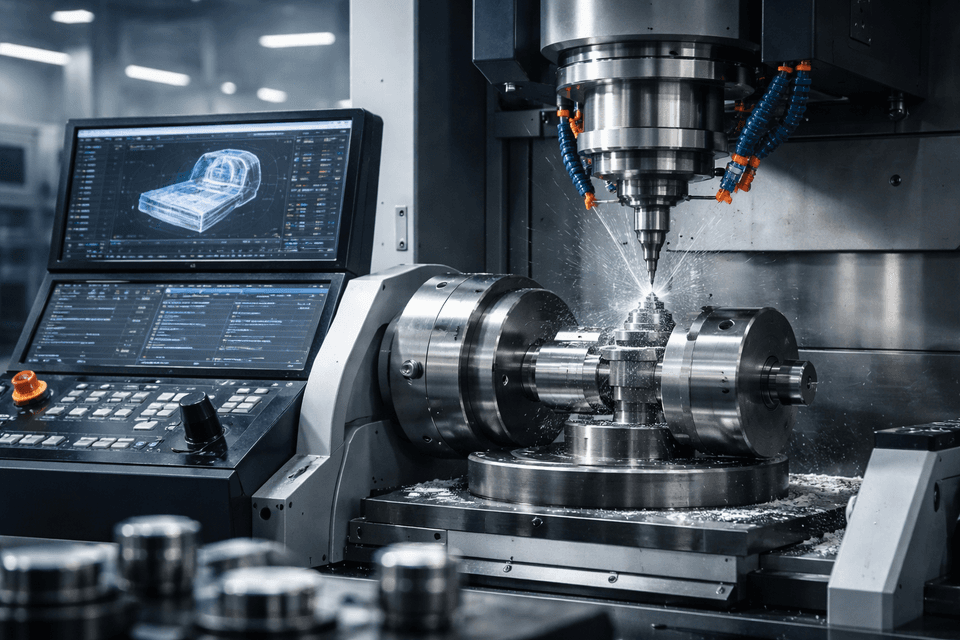
EnglishShort definitionCAM (Computer-Aided Manufacturing) software is a digital aid for the manufacturing process. By programming machines and tools, CAD models are translated into instructions that enable the machines to perform highly precise and efficient machining operations. CAM software is particularly important for metal and plastics processing because it automates manufacturing processes, reduces human errors, and improves product quality. Examples of CAM programs include Mastercam and SolidCAM.
Dictionary
AbrasionAbrasion refers to the loss of material that occurs on surfaces due to mechanical effects such as abrasion or friction. This often occurs in moving parts and in the manufacture of parts where they come into contact with each other or with fixed surfaces. As abrasion can result in a loss of surface quality or properties, abrasion affects the service life of components. The severity of abrasion depends on the choice of material, among other things, and can be reduced by coatings.
Dictionary
Additive manufacturingAdditive manufacturing is an innovative manufacturing process in which material is added layer by layer to create three-dimensional objects. This approach enables the production of complex geometries and customized components that are often not feasible with traditional manufacturing methods. In industry, additive manufacturing is used to create prototypes quickly, shorten production times and increase material efficiency. It also offers flexibility for design adjustments without additional tooling costs, making development and production more agile. By reducing waste and optimizing the use of materials, additive manufacturing contributes to sustainable production and strengthens the competitiveness of companies in a wide range of industries.
Dictionary
Bend radiusThe bend radius is a radius that indicates how a material must be bent without causing cracks or permanent deformation. The bend radius varies from material to material and is therefore often specified in technical drawings to ensure the final product meets expectations. The smaller the bend radius, the tighter the product curves can be, but it also increases the demands on the material.
Dictionary
BiocompabilityBiocompatibility refers to the ability of a material to interact with living tissue without causing undesirable biological reactions. In the manufacturing industry, especially in the production of medical devices, implants and prostheses, biocompatibility is crucial. Materials must be carefully selected and tested to ensure that they are neither toxic nor irritating and that they can function permanently in the body. High biocompatibility ensures patient safety and well-being, minimizes the risk of rejection and meets regulatory requirements. Biocompatibility therefore plays a central role in the development and production of medical products in order to provide effective and trustworthy solutions for the healthcare sector.
Dictionary
BlankA blank is a semi-finished product that is created after the primary machining process and serves as the starting material for further production. In industrial production, the blank forms the basis for various downstream processing steps such as machining, shaping or surface treatment. Blanks can come in different shapes and materials, for example as metal ingots, plastic granules or blocks of wood, depending on the desired end product. The quality and precision of the blank are crucial for the efficiency and accuracy of the subsequent production steps, as they form the basis for the dimensional accuracy and technical properties of the finished product. By using standardized blanks, production processes can be optimized and costs reduced, thereby increasing competitiveness in the manufacturing industry.
Dictionary
Blue Angel certificateThe Blue Angel certification is a globally recognized environmental label that was introduced in Germany in 1978 and identifies products that are particularly environmentally friendly. Criteria for assessing the environmental friendliness of the product are, for example, resource conservation, energy efficiency and reduction of pollutants. The label is intended to help consumers find environmentally friendly products and thus make their purchasing decisions easier. Conversely, it is also an opportunity for companies to have their efforts with regard to the environment labeled and thus make the product more attractive.
© assemblean 2026 | All rights reserved.