Dictionary
Impact strengthDictionary
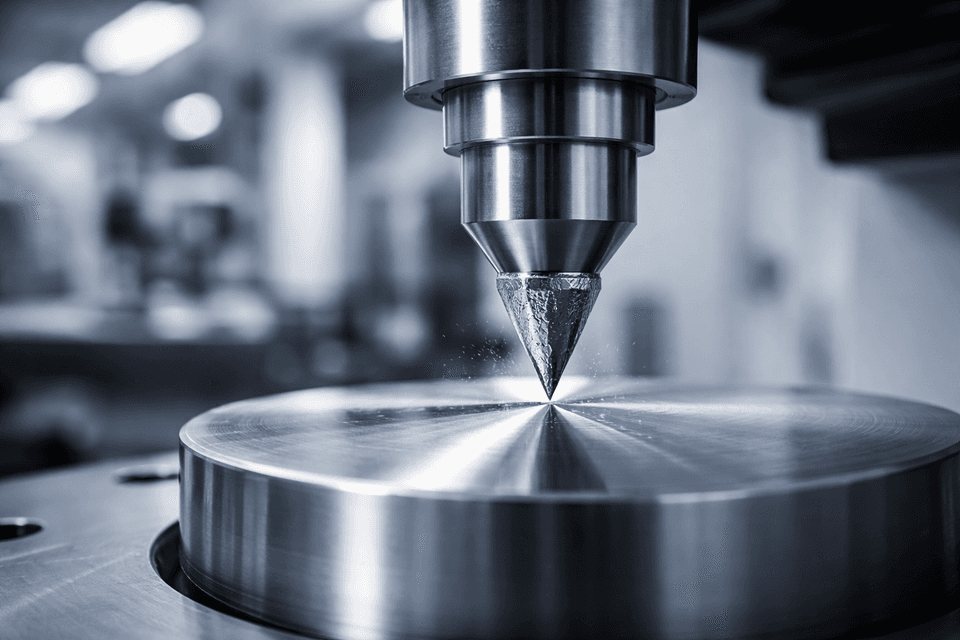
EnglishShort definitionHardness significantly influences the wear resistance and durability of materials and describes the ability of a material to protect itself from the penetration of another body and thus to resist permanent plastic deformation. In order to measure the resistance to external influences such as scratches or abrasion, the indentation or scratch hardness is usually determined. In particular, materials with a strong internal structure such as diamond have a high hardness.
Dictionary
Impact strengthImpact strength describes the ability of a material to withstand impact loads or sudden forces without breaking or permanently deforming. It is usually determined using test methods such as the Charpy or Izod impact test, in which the energy that a material absorbs at break is measured. In the manufacturing industry, impact strength is decisive for the selection of materials in safety-relevant applications, such as vehicle components or machine components that are exposed to high mechanical loads. High impact strength ensures the reliability and durability of products under changing load conditions, which helps to reduce failures and increase safety.
Dictionary
Impact resistanceImpact resistance describes the strength of a material under sudden loads, such as hard blows or impacts. In various tests, such as the Charpy or Izod test, the impact resistance is determined by testing the material for sudden loads until it breaks or tears. High impact resistance is particularly important for applications with high dynamic loads. This is achieved by certain plastics or alloy steels, for example.
Dictionary
WearSimilar to abrasion, wear is a gradual loss of material on the surface of components. It can be caused by several factors, including friction, abrasion or corrosion. Wear resistance is primarily influenced by material hardness, surface condition and lubrication. The choice of the right tools, lubricants and coolants is therefore essential, especially in manufacturing, in order to minimize the effects of wear and thereby extend the service life of components, tools and machines.
Dictionary
CorrosionCorrosion resistance is the ability of a material to withstand all influences, including chemical or electrochemical attacks. Materials with high corrosion resistance can withstand even aggressive influences such as salt or acids and are therefore not only suitable for a wide range of applications, but also retain their full functionality and strength. In part, high corrosion resistance is caused by the natural properties, but it can also be significantly improved by numerous coatings or other surface treatments afterwards.
Dictionary
StiffnessStiffness describes the property that a material can resist permanent deformation even under load. This is determined, for example, by the modulus of elasticity or G-modulus. Stiffness is an important indicator of the stability and functionality of components, as materials with a high stiffness retain their original shape even under heavy loads.
Dictionary
Weather resistanceWeather resistance refers to the ability of a material or product to withstand the effects of weather conditions such as rain, snow, sun, wind and temperature fluctuations without losing functionality, aesthetics or structural integrity. In the manufacturing industry, weather resistance is critical to the longevity and reliability of products that are used outdoors, such as building components, vehicle parts or outdoor equipment. By improving weather resistance, companies can extend the life of their products, reduce maintenance costs and increase customer satisfaction. Techniques to increase weather resistance include the selection of suitable materials, the use of coatings and the application of protective treatments.
© assemblean 2026 | All rights reserved.